Indaba and Office Politics? It is the kind of question that admits of two answers — a quick one and a true one. The quick answer is that Indaba means the community council. a method of inclusive decision-making where every voice shapes the outcome and the decision actually sticks. The true answer takes longer, because Indaba is not really a concept; it is a way of seeing.
What Indaba Actually Means
Let me give the canonical definition first, then try to do a little better. Indaba is a Zulu and Xhosa word for a council meeting — historically of elders, today of any group that needs to make a decision worth keeping. The form has been borrowed by international climate negotiators, corporate boards, and community organisations because of one quality: it produces decisions that hold. It does this by refusing the Western meeting model — the loudest voice, the rushed vote, the unread minutes — in favour of structured listening, ritualised speech, and visible consensus. The canonical version is correct but tame. The full version of Indaba is less polite, more demanding, and more interesting. It does not flatter the reader who has just discovered it.
If you want to know the end, listen to the beginning.Yoruba
The Question This Post Is About
The unsentimental reading: what Indaba does and doesn't help with. The question is worth taking seriously, because Indaba is one of those concepts that loses its shape when handled carelessly — and recovers it as soon as the reader is willing to slow down and listen.
There is a specific application of Indaba that managers rediscover every few years and act surprised to find: the practice of asking, before any consequential decision, who has not yet been heard from. The question seems procedural. It is not. It is a small Indaba act, repeated, that changes the temperature of an organisation over years. The most senior person speaks last, not first.
A Second Angle
Outside the workplace, Indaba reads differently — and harder. In a household, it is not a leadership philosophy; it is a daily, sometimes irritating, set of obligations. The phone call you owe. The message you have not answered. The relative whose problem is now your problem because no one else is closer. The most senior person speaks last, not first. Indaba does not let you opt out of these.
Where the Concept Resists
It would be dishonest to pretend Indaba is uncomplicated. The concept can be — and has been — used to suppress dissent in the name of harmony, to extract unpaid labour from women in the name of community, and to soften criticism that should have been sharper. Any serious reading of Indaba has to hold these uses in view. The concept survives the criticism. But it is not innocent.
What to Do With This
There is no certificate at the end of Indaba. There is only the slow accumulation of choices made differently — meetings shaped differently, relationships tended differently, decisions weighed differently. The reward is not visible. The cost is real. Over time the difference becomes a kind of life.
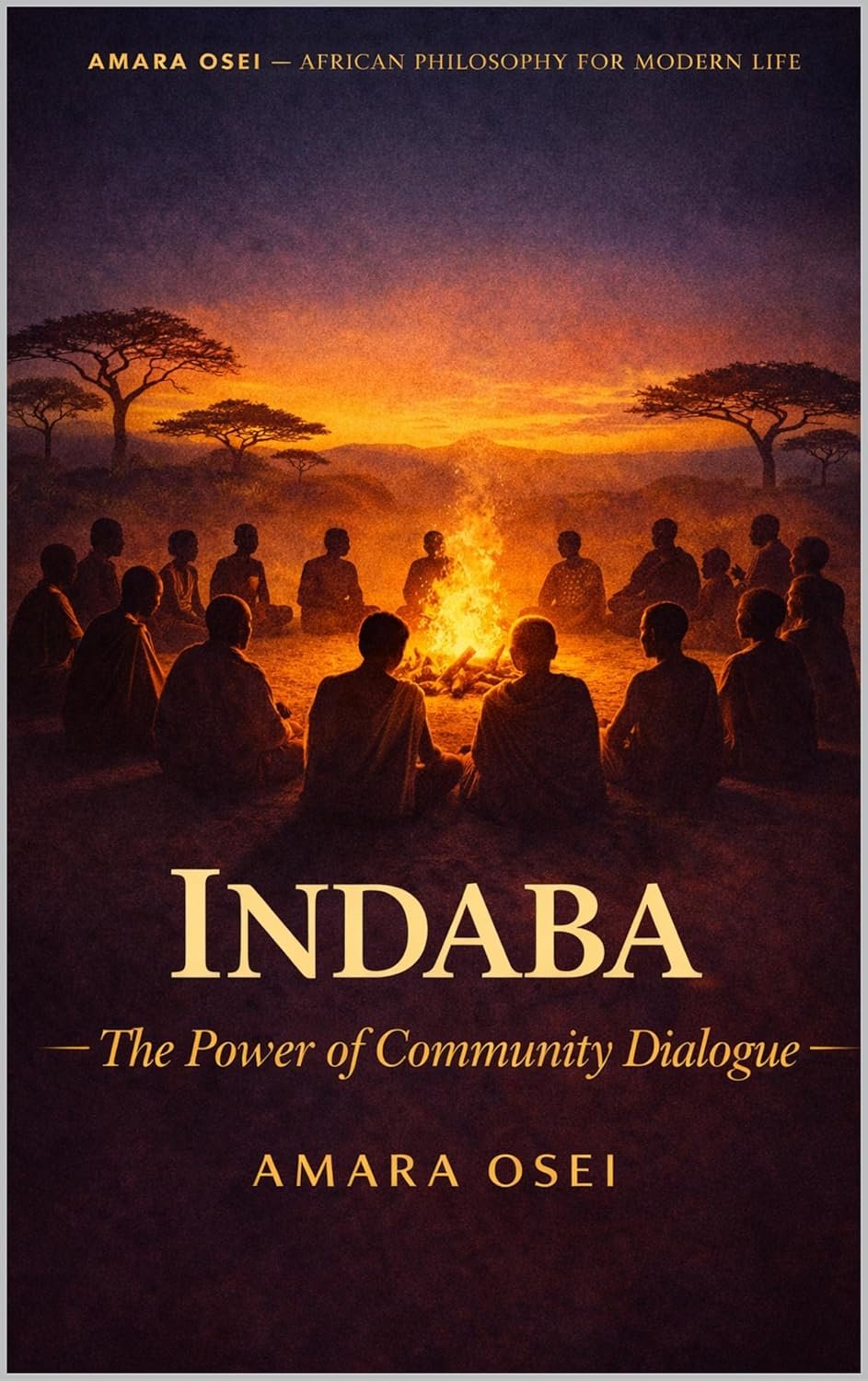
The full philosophy, as a book
How to run meetings where everyone is heard — and the decisions you make actually stick.
Read on Amazon