There is a temptation, when writing about a concept like Indaba, to make it noble. To treat Zulu / Southern African thought as if it were uncomplicated wisdom waiting for the modern reader to catch up. Indaba for Leaders? The honest answer requires resisting that flattery. Indaba is real philosophy. It has internal tensions. It can be misused. It still rewards close reading.
What Indaba Actually Means
The most commonly cited definition: Indaba is a Zulu and Xhosa word for a council meeting — historically of elders, today of any group that needs to make a decision worth keeping. The form has been borrowed by international climate negotiators, corporate boards, and community organisations because of one quality: it produces decisions that hold. It does this by refusing the Western meeting model — the loudest voice, the rushed vote, the unread minutes — in favour of structured listening, ritualised speech, and visible consensus. That sentence is true, as far as it goes. It is also incomplete. Indaba is held inside a wider Zulu / Xhosa grammar — a set of related concepts, social practices, and proverbs — that the standalone definition cannot carry.
Two heads are better than one.African proverb
The Question This Post Is About
What Indaba asks of anyone with authority over others — and the kind of leader it produces. The question is worth taking seriously, because Indaba is one of those concepts that loses its shape when handled carelessly — and recovers it as soon as the reader is willing to slow down and listen.
Take the modern workplace as a test case. The dominant Western model treats the team as a coalition of individual contributors who happen to share a Slack channel — each evaluated alone, promoted alone, and let go alone. Indaba starts somewhere different. It assumes that the unit of analysis is the team, that performance is co-produced, that to praise a single person without naming the people around them is a kind of category error. The implications are uncomfortable for managers trained in the Western model. The most senior person speaks last, not first.
A Second Angle
Parenting through Indaba is not soft parenting. The phrase 'it takes a village' has been so domesticated in English that it now means almost nothing. The Zulu / Southern African version is sharper: the child is not yours alone, and the discipline of raising them well is not yours alone either. The most senior person speaks last, not first.
Where the Concept Resists
There is a real risk in romanticising Indaba. The Zulu / Southern African traditions that produced it have always also produced internal critics — voices warning against the misuse of communal philosophy to demand conformity, to silence the young, to protect bad behaviour by elders. The honest defender of Indaba keeps those critics at the table.
What to Do With This
There is no certificate at the end of Indaba. There is only the slow accumulation of choices made differently — meetings shaped differently, relationships tended differently, decisions weighed differently. The reward is not visible. The cost is real. Over time the difference becomes a kind of life.
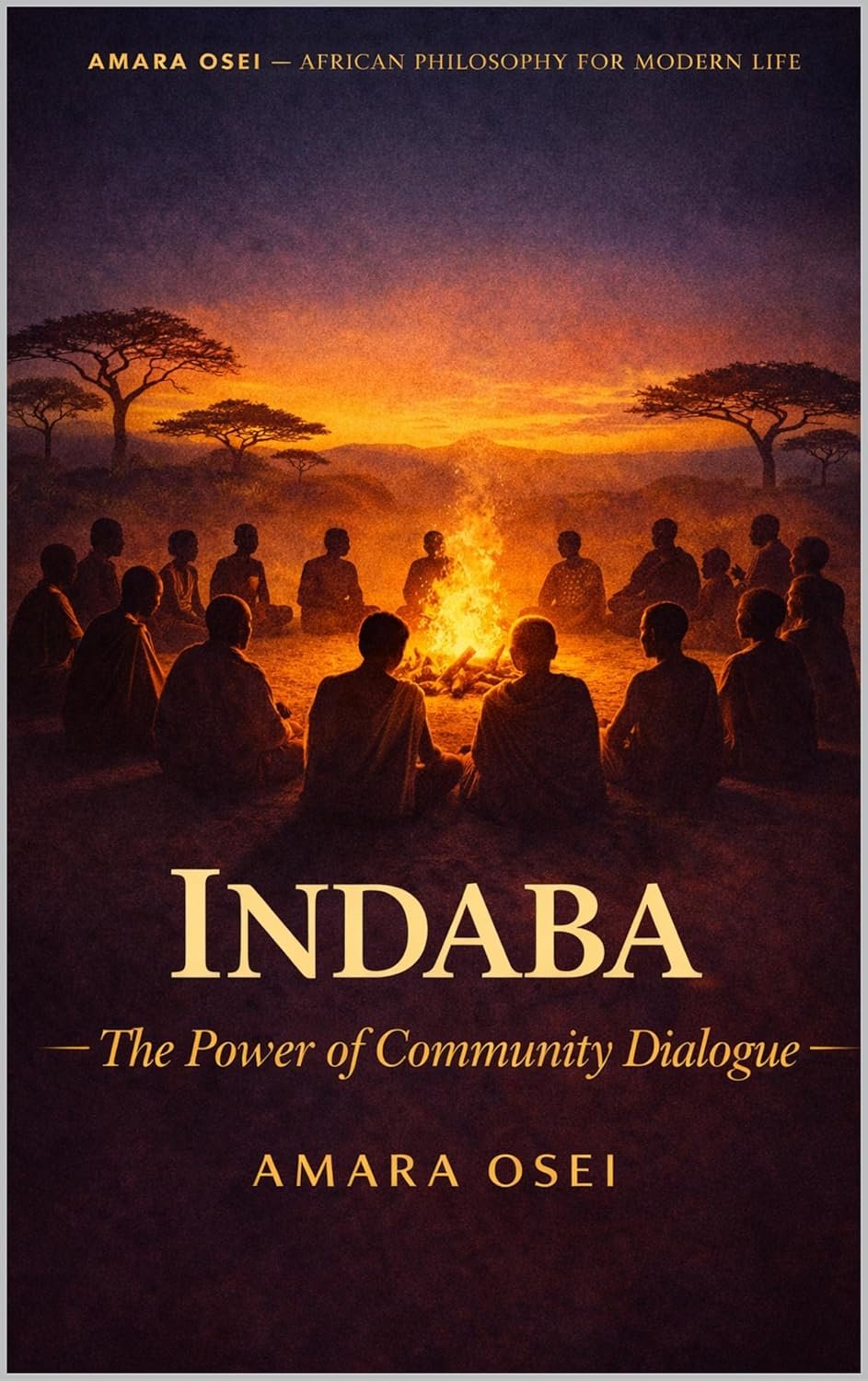
The full philosophy, as a book
How to run meetings where everyone is heard — and the decisions you make actually stick.
Read on Amazon