There is a particular way the word Teranga arrives in modern conversations. It is invoked, often, as a slogan — pinned to a wall in a corporate office, dropped into a leadership keynote, printed on a tote bag. The Etymology of Teranga? The slogan version of Teranga is easy to admire and easy to ignore. The actual concept, the one that has shaped Wolof / Senegalese life for generations, is harder. It demands more. And it is, I think, more useful.
What Teranga Actually Means
The most commonly cited definition: Teranga is a Wolof word that does not translate cleanly. The closest English approximation is hospitality, but it is hospitality elevated to a defining cultural virtue. It is why Senegal calls itself 'the land of teranga.' It is the reflex to feed a stranger, to seat them, to ask after them. In the modern world it is also a strategy — for sales, leadership, customer experience, and any practice that depends on people choosing to come back. That sentence is true, as far as it goes. It is also incomplete. Teranga is held inside a wider Wolof grammar — a set of related concepts, social practices, and proverbs — that the standalone definition cannot carry.
Hospitality is the first medicine.Senegalese
The Question This Post Is About
Where the word Teranga comes from, and what its roots reveal about its meaning. The question is worth taking seriously, because Teranga is one of those concepts that loses its shape when handled carelessly — and recovers it as soon as the reader is willing to slow down and listen.
Take the modern workplace as a test case. The dominant Western model treats the team as a coalition of individual contributors who happen to share a Slack channel — each evaluated alone, promoted alone, and let go alone. Teranga starts somewhere different. It assumes that the unit of analysis is the team, that performance is co-produced, that to praise a single person without naming the people around them is a kind of category error. The implications are uncomfortable for managers trained in the Western model. First-day hires are walked to lunch, not handed a checklist.
A Second Angle
Take the modern workplace as a test case. The dominant Western model treats the team as a coalition of individual contributors who happen to share a Slack channel — each evaluated alone, promoted alone, and let go alone. Teranga starts somewhere different. It assumes that the unit of analysis is the team, that performance is co-produced, that to praise a single person without naming the people around them is a kind of category error. The implications are uncomfortable for managers trained in the Western model. First-day hires are walked to lunch, not handed a checklist.
Where the Concept Resists
It would be dishonest to pretend Teranga is uncomplicated. The concept can be — and has been — used to suppress dissent in the name of harmony, to extract unpaid labour from women in the name of community, and to soften criticism that should have been sharper. Any serious reading of Teranga has to hold these uses in view. The concept survives the criticism. But it is not innocent.
What to Do With This
There is no certificate at the end of Teranga. There is only the slow accumulation of choices made differently — meetings shaped differently, relationships tended differently, decisions weighed differently. The reward is not visible. The cost is real. Over time the difference becomes a kind of life.
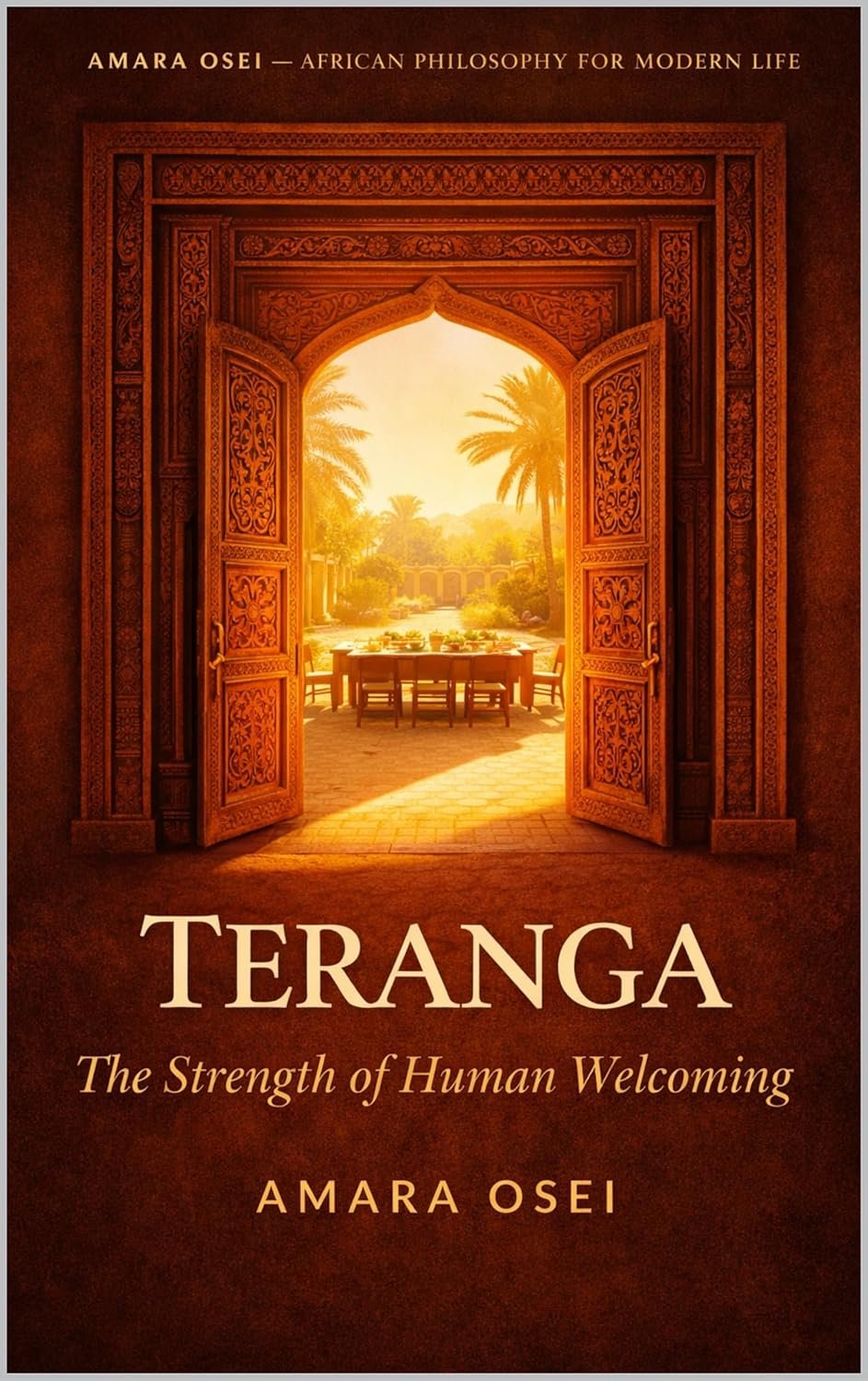
The full philosophy, as a book
The Senegalese philosophy of generosity as strategy — in business, sales, leadership, and life.
Read on Amazon