There is a temptation, when writing about a concept like Ubuntu, to make it noble. To treat Southern African (Bantu) thought as if it were uncomplicated wisdom waiting for the modern reader to catch up. Ubuntu in One Sentence? The honest answer requires resisting that flattery. Ubuntu is real philosophy. It has internal tensions. It can be misused. It still rewards close reading.
What Ubuntu Actually Means
Let me give the canonical definition first, then try to do a little better. Ubuntu, in its most cited form, is captured in the Nguni phrase 'umuntu ngumuntu ngabantu' — a person is a person through other people. It names a worldview in which the self is not a fortress but a node in a network, and in which dignity, identity, and success are inherited from and accountable to community. It has shaped post-apartheid South Africa, modern leadership theory, and increasingly the way thoughtful organisations think about teams. The canonical version is correct but tame. The full version of Ubuntu is less polite, more demanding, and more interesting. It does not flatter the reader who has just discovered it.
If you want to go fast, go alone. If you want to go far, go together.African proverb
The Question This Post Is About
If you only have a moment: the shortest honest definition of Ubuntu, and why short definitions can mislead. The question is worth taking seriously, because Ubuntu is one of those concepts that loses its shape when handled carelessly — and recovers it as soon as the reader is willing to slow down and listen.
If you take Ubuntu seriously at work, the first thing that has to change is the meeting. Not its agenda — its shape. Western meetings are optimised for speed and for the loudest contributor. Ubuntu is optimised for something else: for the quality of decisions that hold. Promotions are announced with the names of the people who made them possible. The trade-off is real. Meetings under Ubuntu take longer. The decisions also unstick less often.
A Second Angle
The most concrete way Ubuntu shows up in working life is in how a manager handles failure. The Western reflex is to find the responsible individual, document the failure, and move on. Ubuntu insists on a slower, harder question first: what did the team make possible, and what did it fail to prevent? The shift sounds soft. It is not. Promotions are announced with the names of the people who made them possible.
Where the Concept Resists
There is also the question of authority. Who gets to speak for Ubuntu? The traditions in which it lives are old, plural, sometimes in disagreement with each other. Anyone — including the writer of this essay — who claims a definitive reading is overreaching. The careful reader treats every restatement of Ubuntu, including this one, as one voice among many.
What to Do With This
There is no certificate at the end of Ubuntu. There is only the slow accumulation of choices made differently — meetings shaped differently, relationships tended differently, decisions weighed differently. The reward is not visible. The cost is real. Over time the difference becomes a kind of life.
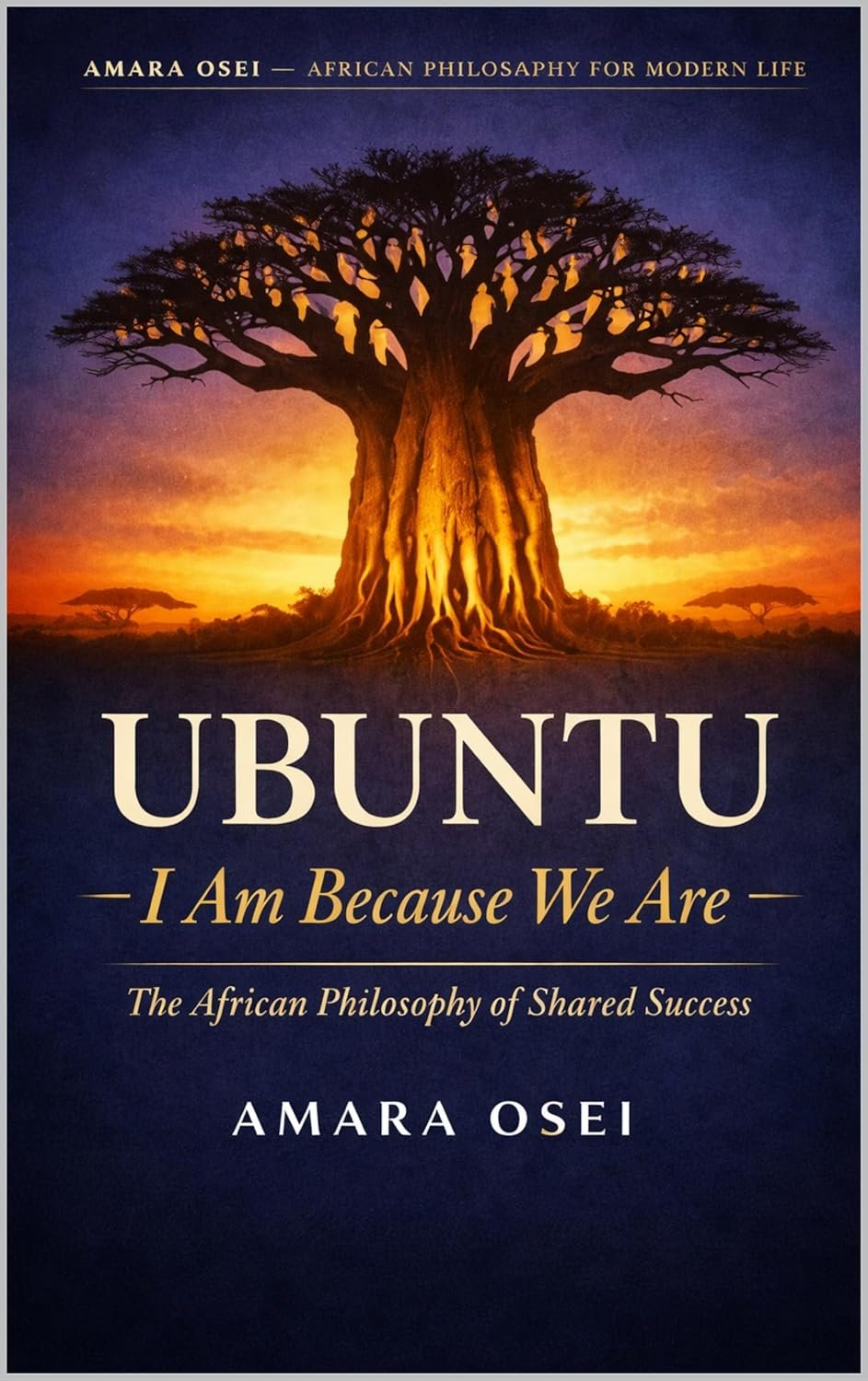
The full philosophy, as a book
The full philosophy of shared success — across leadership, conflict, accountability, and the digital age.
Read on Amazon