There is a temptation, when writing about a concept like Sankofa, to make it noble. To treat Akan / Ghanaian thought as if it were uncomplicated wisdom waiting for the modern reader to catch up. Sankofa and Strangers? The honest answer requires resisting that flattery. Sankofa is real philosophy. It has internal tensions. It can be misused. It still rewards close reading.
What Sankofa Actually Means
Sankofa is an Akan word and a symbol — most often a bird with its head turned backward, holding an egg in its beak. The egg is the future; the head turned backward is the past. Together they teach a simple, demanding idea: it is not wrong, nor shameful, to go back and fetch what you forgot. The future cannot be built on amnesia. This much is on Wikipedia and in introductory leadership books. What is harder to find — and harder to translate — is the texture of the concept: the way Sankofa shapes a thousand small daily choices in a Akan / Ghanaian household, and how those choices accumulate into a different shape of life.
Wisdom is like a baobab tree; no one individual can embrace it.Akan
The Question This Post Is About
How Sankofa changes the small encounters with people whose names you'll never learn. The question is worth taking seriously, because Sankofa is one of those concepts that loses its shape when handled carelessly — and recovers it as soon as the reader is willing to slow down and listen.
Parenting through Sankofa is not soft parenting. The phrase 'it takes a village' has been so domesticated in English that it now means almost nothing. The Akan / Ghanaian version is sharper: the child is not yours alone, and the discipline of raising them well is not yours alone either. Before changing a long-running practice, the team asks an elder of the practice what it was for.
A Second Angle
If you take Sankofa seriously at work, the first thing that has to change is the meeting. Not its agenda — its shape. Western meetings are optimised for speed and for the loudest contributor. Sankofa is optimised for something else: for the quality of decisions that hold. Before changing a long-running practice, the team asks an elder of the practice what it was for. The trade-off is real. Meetings under Sankofa take longer. The decisions also unstick less often.
Where the Concept Resists
There is also the question of authority. Who gets to speak for Sankofa? The traditions in which it lives are old, plural, sometimes in disagreement with each other. Anyone — including the writer of this essay — who claims a definitive reading is overreaching. The careful reader treats every restatement of Sankofa, including this one, as one voice among many.
What to Do With This
There is no certificate at the end of Sankofa. There is only the slow accumulation of choices made differently — meetings shaped differently, relationships tended differently, decisions weighed differently. The reward is not visible. The cost is real. Over time the difference becomes a kind of life.
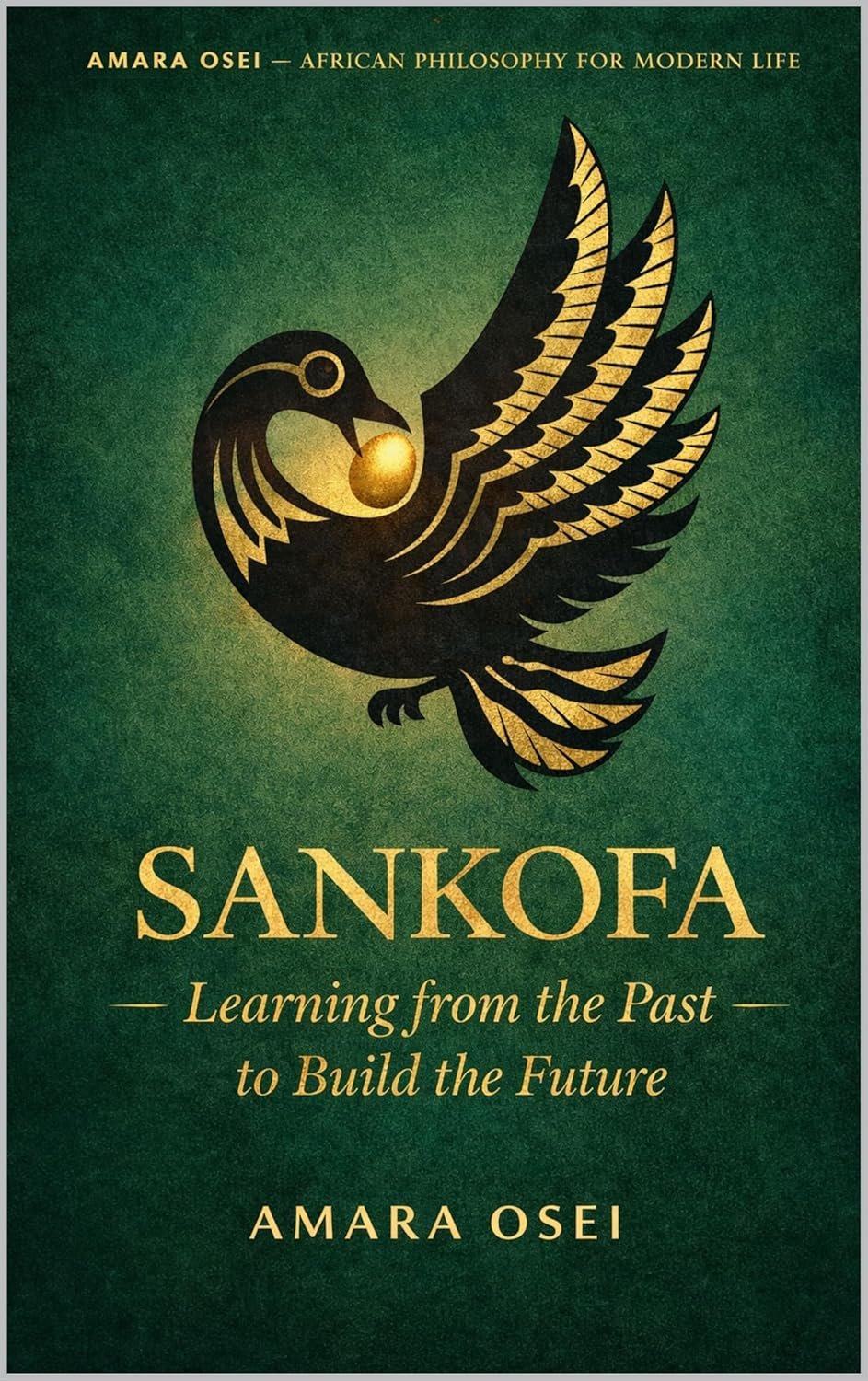
The full philosophy, as a book
How to use your history, your failures, and your traditions as fuel rather than baggage.
Read on Amazon